Power and Precision: A Guide to Winch Hire Australia for Industrial Applications
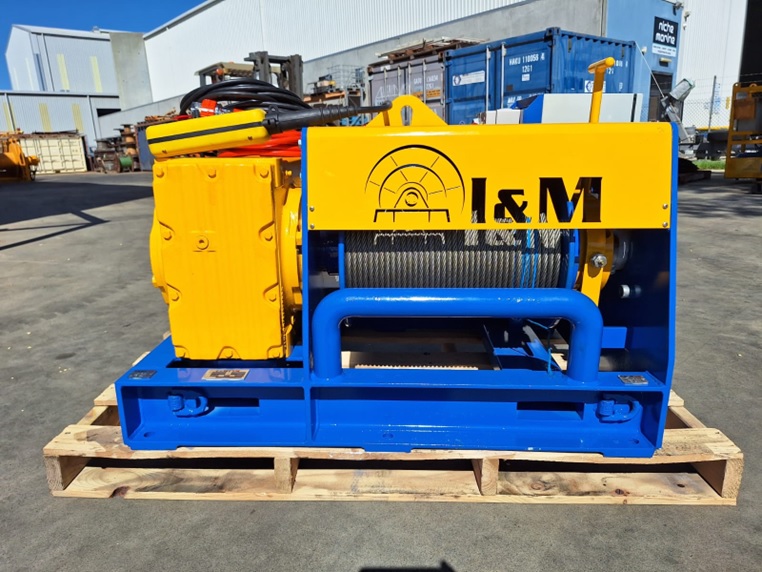
Winches are an integral part of many Australian industries, offering the necessary muscle to help lift, pull and position heavy loads safely in difficult situations. Whether you’re pulling heavy objects or lifting the tackle to litres and tanks, doing large-scale construction and resource work in mining, or doing delicate cable installations for telecommunication and power infrastructure, this winch is your perfect working tool. As most powerful winches are quite specialised and can also be expensive (to purchase outright), winch hire Australia is an ideal solution for businesses/organisations that require access to specific machinery/equipment on an as-and-when-needed basis. This article offers an in-depth summary of the various winch types available for rental across Australia, including electric winch rental, specialist cable hauling winch rental and heavy-duty air winch rental, along with their applications and key points to consider for potential renters.
Your Guide to Winch Types for Hire in Australia
The Australian environment and work demand a multitude of winching applications, and hire companies will usually carry a selection of units with varying power sources to suit various applications and work sites. This basic breakdown is the beginning of choosing the best winch for your situation.
Winch Hire Electrical: Adaptability and Power
Suitable for a wide variety of lifting and pulling applications where a 240V power supply is available, an easily hired electric winch power lifter. With the necessary amp draw for its capacity, this winch can be equipped with a single-phase or three-phase Power Supply. Consult the factory for the application and site applications required. They are also notoriously simple to manoeuvre and can easily be fitted with overhead remote controls, thus making the operator’s job considerably safer and clearer in terms of seeing what they are lifting. A range of electric winches in Australia that can be rented also incorporates Variable Speed Drives (VSDs), providing precise control over speed and torque, essential when undertaking sensitive work.
Typical electric winch uses in Australia include general workshop lifting, small construction site hoisting and handling, lighter pulling and cable hauling work, small-scale vehicle recovery, as well as material handling and other applications in maintenance and manufacturing. Their benefits often include better setup than hydraulic systems, generally reduced continuing maintenance requirements compared to hydraulic systems, energy efficiency, and, sometimes, quieter operation. But one must also take into account the presence and durability of the on-site grid and power supply. Although they are sturdy, in some cases these electric winches can have the potential to overheat if run on too long of a duty cycle without proper duty cycle management under extreme heavy use, a situation not typically found in air or hydraulic winches in heavy industrial applications.
Air Winch Rental (Air Winches): Providing Power and Safety in Challenging Conditions
Air winch rental is used for a wide range of heavy-duty jobs, especially when electricity isn’t a suitable or safe power source. These heavy-duty winches are designed to be powered by air, conveniently fed to them through a factory airline, preferably from a compatible industrial air compressor. They are inherently spark-resistant and are designed for use in potentially explosive or hazardous environments, which is of paramount importance in industries such as mining, especially underground, where methane gas can form; oil and gas (around both onshore and offshore platforms); shipbuilding; and petrochemical plants here in Australia.
Industrial machinery utilises air winches for lifting operations. The advantages of air winch rental are substantial when it comes to these types of applications. They also offer an infinite duty cycle, meaning that they can be left running without the possibility of motor burnout from overheating, even if they’re completely stopped with full pressure against the pump. They are extremely rugged and dependable and can withstand brutal conditions—heat, cold, dust or water—without performance degradation. Air winches are also great for variable speed control, so you can afford perfection for your target load and nice handling. Although they need a compressed air supply system, there is no electricity, so there is no risk of electric shock, and there is no high-pressure hydraulic line, so no high-pressure hydraulic fluid can leak out.
Hydraulic and Diesel Hydraulic Winch Rental: Heavy-Duty Rearranging
For applications with heavy-duty pulling and lifting needs for when an electric winch is simply not enough, these winches are ideal for remote Australian job sites that lack electricity and high volumes of compressed air. The mainstays of many heavy-duty cable hauling winch hire configurations, these units may be manufactured in loads between a few and 65 tonnes or more, spooling several thousand metres of wire rope in the case of a select few models. Diesel-hydraulic winches possess independent power and, being self-contained, are suitable for field use. They produce a tonne of torque and are designed for the toughest industrial jobs.
Purpose-built Solutions: Your Guide to Cable Hauling Winch Rental
An important application of a winch is cable hauling in Australia, which is imperative to build and maintain the country’s infrastructure.
Purpose and Industries
Cable hauling winch hire is necessary for installing a wide range of cables. Extreme weather conditions threaten not only the physical integrity of essential network infrastructure, including power, telecommunications, rail, and renewable energy cabling, but also public trust in their reliability and safety due to varied and complex underground cabling standards. Australian industries that are significant users of these services include utilities (electricity, water, gas), telecommunications companies, large construction and civil engineering contractors, as well as mining operations (for power and control cables) and railway infrastructure businesses. These payoff systems are fixed to allow precise and force-controlled pulling of cables through channels, tubes, trenches, or overhead runs without damaging the cable.
Chassis Features and Options
Winches for hauling in the cable are usually specially designed for (or modified for) the application. It has high line pull ratings at speeds (commonly between 6 tonnes up to or beyond 25 tonnes) and the ability to control and regulate the speed at which the cable is installed, and guidance towards robust braking. Capstan winches are commonly used for their main advantage, that the tension on the pull is not unconditional, and they do not have to be loaded with the full length of the rope.
Optic fibre winches are programmed with fibre optic cables in mind and typically feature electronic line tension monitoring, DME (distance measuring equipment), and improved safety screens for operator defence. In addition to the winch proper, cable-hauling winch rental may include a range of associated accessories such as cable drum stands and jacks, cable trailers, a variety of cable rollers (straight, corner, and manhole rollers), cable grips or socks and swivels to avoid cable twisting, as well as cable-pushing or blowing equipment in some cases.
Important Factors to Consider for Winch Hire Australia
Choosing the right winch to do the job safely is determined by several factors to be mindful of before signing a hire contract.
Carrying Capacity and Safety Factors
The biggest factor is the rated capacity (MRC) of a winch, which was once called Safe Working Load (SWL). The MRC of the winch will be substantially higher than the maximum expected load as per Australian standards and safety work practices. In general, when choosing a winch, the pulling force or lifting capacity should be 1.5 to 2 times the weight of the load to ensure a sufficient level of safety. Overloading a winch is very dangerous.
Application and Environment
The job that the winch needs to do (hoist, drag or tension) and the operating environment will dictate the selection of the winch. For example, an air winch hire is a must in explosive atmospheres. An electric winch rental may be appropriate for indoor or limited outdoor use where power is accessible. How long the winch is used, or how often, is important too—frequent, constant heavy work will likely draw you away from some electric models and towards an air or hydraulic winch. Local site conditions will also determine its appropriateness on a wide variety of Australian terrains, from mine sites to urban construction sites.
Rope/Cable Specifications
The winch is only as good as the wire rope or synthetic rope you use with it. Considerations include the rope material (steel wire for abrasion resistance or synthetic materials such as Dyneema for low weight and no rebound in case of breakage), the rope diameter (which must match the winch drum and sheave size), the rope length (long enough to provide the needed pull/lift a few wraps on the drum), and the type of end termination (such as thimble eye or wedge socket) required for attachment of the load.
Safety and Compliance
Make sure the winch you are renting has the necessary safety gear. These include trustworthy brakes (generally of spring applied, power off), instrumentation and software to prevent exceeding the Rated Capacity, emergency stops, and, where necessary, distant control to enable the operator to keep his distance and be able to see what is happening. Australian hired-in plant should be thoroughly examined, maintained and certified as falling within the relevant Australian Standards, for example AS/NZS 1418 series for forklifts, hoists, and winches.
Reputation and Support from the Supplier
Select a trusted winch hire Australia business you can rely on. Ask about their winch maintenance and testing process, and obtain current test certificates for their winches. Decent suppliers will also give you technical support, help in deciding which winch and associated gear is right for you, and often offer operator familiarisation/training. The provision of a wide variety of accessories (such as hydraulic winch power packs, air winch compressors and air hoses, rigging equipment (slings, shackles, snatch blocks), load monitoring devices, etc.) is also indicative of a well-equipped supplier.
Site Assessment and Logistics
A comprehensive site survey should assess the need for stable ground to anchor the winch to, access for the winch to be delivered and set up as well as any power units (such as compressors or hydraulic power pack) and clear, safe operating areas put in place before hiring. Skilled winch operators who are also proficient at rigging are crucial to the task being safely performed in an efficient manner.
The Winch Hiring Procedure in Australia
Not everyone knows this, but hiring a winch is as easy as eating a slice of pie.
Needs Assessment and Quote Sourcing
The first step is to clarify what the project demands are: the largest amount you need to lift, the distance to pull/lift, the speed that is needed, what kind of environment you are working in, what source of power is accessible and how long you will need it for. For quality winch hire in Australia, discuss your needs and obtain a quote. Make sure the quotes clearly state the length and type of winch, how much rope, any extras, the freight, and the hire term.
Reviewing Hire Agreements
Get to know the hire’s terms and conditions thoroughly before you sign. This ought to specify what the hirer is allowed and not allowed to do with the equipment during the hire period, ensure both parties are clear who’s responsible for insuring the equipment for any damage/theft, whether the hirer can make any changes to it at all, maintenance requirements, and what to do in the event of any breakdowns or problems.
Ensuring Operator Competency
The hirer must ensure all operatives using the winch are properly instructed in its safe operation and are conversant with rigging methods. All winch activity, whether used as a rescue tool or for other purposes in Australia, must be carried out in accordance with the applicable workplace health and safety (WHS) legislation and codes of practice in order to prevent accidents and provide a safe working environment.
In Summary
Winch hire Australia-wide offers industries a variety of high-powered and specific equipment vital for any lifting, pulling or positioning requirements. From an electric winch hire with its excellent control and versatility to an air winch hire for potentially explosive atmospheres and the ultimate in safety, right through to a heavy-duty cable hauling winch hire purpose-built for major infrastructure work, Australian businesses can locate a solution that is perfect for their requirements.
The difference between success and disaster revolves around a proper understanding of what is required by the application, the selection and use of a winch with safe lifting capacity and appropriate features, stringent compliance with safety regulations and Australian Standards, and the hiring of lifting equipment from a company that offers well-maintained, certified machines and strong support. However, planning and scrutiny guarantee that these irreplaceable tools will help make your project a success in Australia.