Industrial Safety Best Practices Every Business Needs
Industrial manufacturing, processing, and warehousing operations rely heavily on complex machinery, high-voltage electrical systems, chemical processes, and physical material handling. In these environments, workplace hazards are an inherent reality. A single workplace accident can cause severe worker injury, operational downtime, equipment damage, costly regulatory fines, and permanent reputational harm. Implementing comprehensive industrial safety best practices is essential for protecting human life, maintaining regulatory compliance, and securing long-term operational viability.
Creating a safe workplace requires moving beyond basic regulatory compliance and passive safety policies. Modern industrial safety management integrates rigorous risk assessments, continuous employee training, proactive maintenance, advanced environmental controls, and a pervasive organizational safety culture. By treating workplace safety as a core business priority rather than a secondary administrative requirement, companies protect their workforce while driving higher operational efficiency and productivity.
Core Pillars of a Modern Industrial Safety Program
An effective safety strategy is built upon systematic risk mitigation and structural protocols. Establishing robust foundational capabilities across key operational areas ensures facilities can prevent accidents before they occur.
-
Comprehensive Risk Assessments and Hazard Identification: Safety begins with identifying operational vulnerabilities across the facility. Safety teams must conduct regular job safety analyses to evaluate equipment hazards, ergonomic risks, chemical exposure limits, and environmental conditions. Identifying potential hazards before work begins allows managers to engineer solutions, establish controls, and eliminate risks proactively.
-
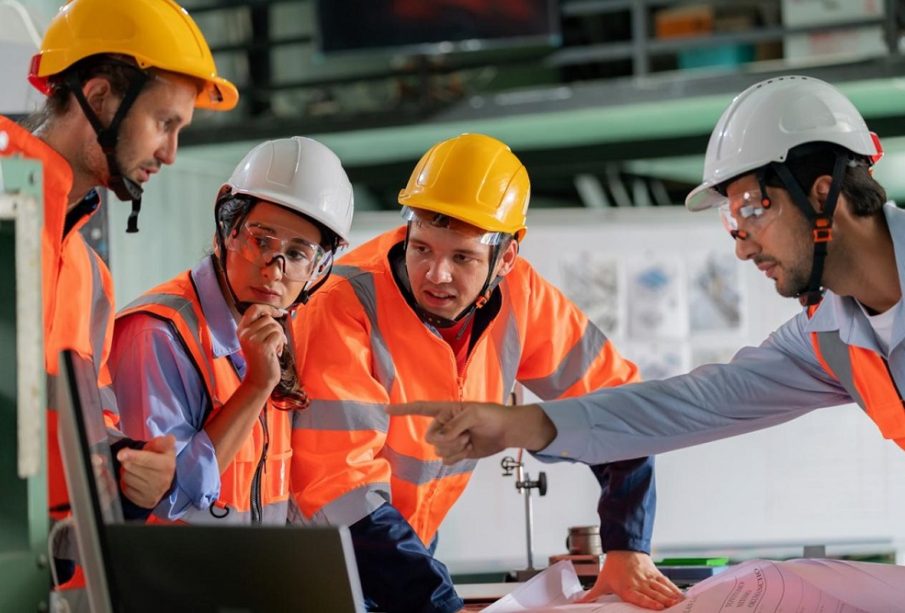
Rigorous Personal Protective Equipment Protocols: Personal protective equipment serves as a critical defense line against workplace hazards. Companies must provide high-quality equipment tailored to specific job hazards, including hard hats, safety glasses, respirators, cut-resistant gloves, ear protection, and steel-toe footwear. Establishing mandatory usage rules, proper fit testing, routine inspection protocols, and immediate replacement procedures ensures workers remain fully protected.
-
Hierarchy of Hazard Controls: Leading industrial safety programs follow a strict hierarchy of hazard controls to address risks systematically. The hierarchy prioritizes eliminating hazards at the source or substituting dangerous processes with safer alternatives. If elimination or substitution is not feasible, facilities must implement engineering controls like machine guards and ventilation systems, followed by administrative controls like shift rotations and safety signage, with personal protective equipment serving as the final protection layer.
-
Standard Operating Procedures and Clear Work Instructions: Unclear operating instructions lead to shortcutting, operational errors, and severe injuries. Developing detailed, written standard operating procedures for all machinery operation, material handling, chemical storage, and maintenance activities establishes consistency across shifts. Standardized workflows ensure every employee executes tasks following established safety parameters.
-
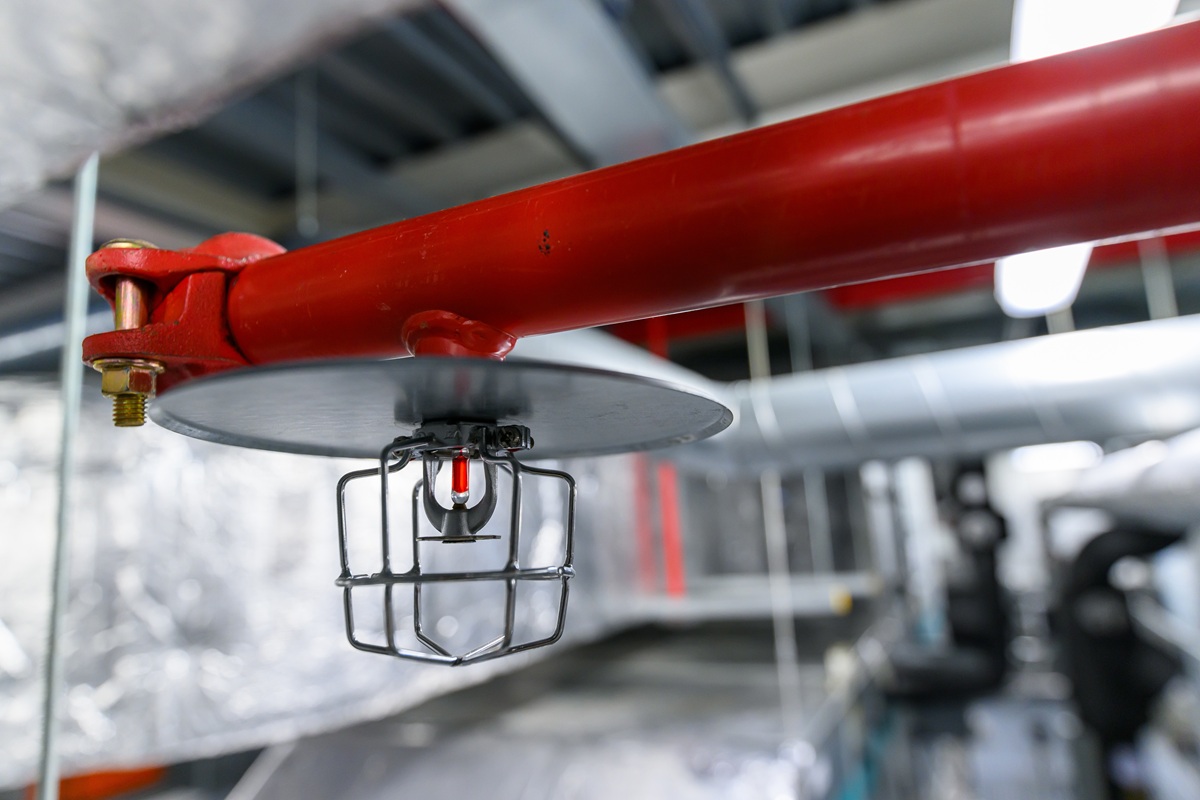
Regular Workplace Inspections and Safety Audits: Physical workplace conditions deteriorate over time without continuous oversight. Facility managers must conduct daily visual inspections, weekly equipment checks, and periodic formal safety audits. Audits verify that emergency exits remain clear, safety interlocks operate properly, fire suppression systems are charged, and chemical spill kits are fully stocked.
Essential Operational Safety Practices
Implementing industrial safety requires focusing on high-risk operational areas where severe incidents historically occur. Facilities must deploy specialized protocols to control specific environmental and mechanical hazards.
Lockout/Tagout Protocols for Energy Control
Unexpected machine energization during maintenance or servicing is a leading cause of severe industrial injuries and fatalities. Lockout/tagout procedures ensure hazardous energy sources—including electrical, hydraulic, pneumatic, mechanical, thermal, and chemical systems—are properly isolated, de-energized, and locked out before technicians perform maintenance.
Every technician must apply a personalized lock and warning tag to isolation devices. System re-energization can occur only after the specific technician removes their personal lock, preventing accidental startup while personnel remain inside machinery zones.
Machine Guarding and Mechanical Protection
Rotating shafts, meshing gears, nip points, cutting blades, and hydraulic presses pose severe amputation and crushing risks. Installing physical machine guards, light curtains, pressure-sensitive mats, and two-hand control devices prevents workers from contacting moving mechanical parts during routine operation.
Guards must be durable, securely attached to equipment, and designed so they do not create secondary hazards or obstruct work view. Removing or bypassing machine guards during standard operation should be strictly prohibited and treated as a major safety violation.
Chemical Safety and Hazard Communication
Industrial facilities frequently store and handle hazardous chemicals, including industrial solvents, acids, compressed gases, and combustible dusts. Compliance with hazard communication standards requires maintaining up-to-date Safety Data Sheets for every chemical present on-site, with documentation made immediately accessible to all workers.
All primary containers and secondary transfer vessels must carry clear labels identifying chemical hazards, physical risks, and required personal protective equipment. Additionally, facilities must install emergency eyewash stations and safety showers within quick reach of chemical handling areas, testing equipment weekly to ensure proper operation.
Ergonomics and Material Handling Safety
Musculoskeletal disorders resulting from heavy lifting, awkward postures, repetitive motions, and excessive force account for a substantial percentage of industrial lost-time injuries. Implementing ergonomic workplace design minimizes physical strain on workers.
Facilities should provide mechanical lifting aids, such as overhead hoists, hydraulic lift tables, vacuum lifters, and powered industrial trucks, to handle heavy loads. Designing assembly workstations at adjustable working heights, encouraging team lifting for awkward items, and training employees on proper lifting mechanics significantly reduces spinal injuries and chronic physical wear.
Building a Culture of Safety Ownership
Safety technology and written policies are ineffective if workers do not actively practice safe behaviors. Establishing a proactive safety culture transforms compliance from an enforced obligation into a shared corporate value.
-
Leadership Commitment and Behavioral Modeling: Executives, facility managers, and shift supervisors set the tone for safety culture. When leaders consistently wear required protective gear, attend safety meetings, address hazards immediately, and prioritize safety over aggressive short-term production quotas, employees recognize that safety is a genuine corporate value.
-
Empowered Near-Miss Reporting Systems: Near-miss incidents are valuable warning indicators of future catastrophic accidents. Establishing a non-punitive, transparent near-miss reporting system encourages workers to identify and report close calls without fear of reprimand. Analyzing near-miss data allows safety committees to fix underlying systemic hazards before an injury occurs.
-
Continuous Worker Education and Safety Refresher Training: Safety training must extend far beyond initial employee onboarding. Facilities should host short daily safety huddles, weekly toolbox talks on specific operational hazards, and mandatory annual refresher courses covering core topics like emergency evacuation, chemical spill response, and fire safety.
Overcoming Common Hurdles in Safety Management
Maintaining high safety standards requires overcoming persistent operational, financial, and cultural friction points.
-
Balancing Production Speed with Safety Protocols: High production quotas can tempt operators to bypass safety steps, skip lockout procedures, or remove protective guards to save time. Leadership must enforce zero-tolerance policies for safety shortcuts, reinforcing that no production deadline justifies compromising worker health.
-
Addressing Worker Complacency and Routine Habituation: Experienced workers performing repetitive tasks can develop complacency, underestimating everyday operational risks. Rotating job tasks, conducting unannounced safety observations, and engaging experienced workers in leading safety audits helps maintain high situational awareness.
-
Managing Subcontractor and Temporary Worker Safety: Subcontractors and temporary labor often enter facilities unfamiliar with site-specific hazards and safety rules. Facilities must require comprehensive safety orientations for all external contractors, verify partner safety credentials, and enforce equal safety standards across all personnel on site.
Frequently Asked Questions (FAQ)
What is the distinction between reactive safety measures and proactive safety measures?
Reactive safety measures analyze data after an incident or injury has already occurred, relying on metrics like total recordable incident rates, lost-time injury frequency, and worker compensation costs to identify past failures. Proactive safety measures focus on preventing accidents by tracking leading indicators, such as near-miss reports, completed safety audits, hazard identification counts, regular employee training hours, and prompt safety corrective action closures.
How often should industrial facilities review and update their emergency action plans?
Industrial facilities should review and update their emergency action plans at least annually. Additionally, immediate reviews must occur whenever significant facility structural modifications take place, new high-hazard equipment is installed, chemical inventories change substantially, or post-drill evaluations reveal operational deficiencies. All workers must receive updated training whenever procedures change.
What are the core components of an effective electrical safety program in an industrial facility?
An effective electrical safety program includes complete electrical single-line diagram documentation, formal arc flash risk assessments, established approach boundaries for qualified and unqualified personnel, personal protective equipment rated for calculated arc thermal performance values, ground fault circuit interrupter protection, regular insulation testing, and strict adherence to electrical lockout/tagout protocols during all maintenance activities.
How does proper facility house-keeping impact overall industrial safety?
Facility housekeeping is a fundamental safety control. Maintaining clean, uncluttered aisles prevents slip, trip, and fall hazards, which represent a major cause of workplace injuries. Promptly clearing oil leaks, dust accumulations, and scrap materials keeps emergency exits clear, prevents forklift collisions, reduces combustible fire loads, and ensures rapid access to emergency equipment like fire extinguishers and spill kits.
What role do safety committees play in maintaining workplace safety compliance?
Safety committees serve as a vital communication bridge between frontline workers and executive management. Composed of representative workers from various shifts and management staff, the committee reviews near-miss reports, evaluates workplace injury trends, participates in routine hazard inspections, recommends physical or procedural safety improvements, and helps foster a collaborative culture of safety ownership across the entire organization.
How can a facility manage combustible dust hazards effectively?
Managing combustible dust hazards requires preventing dust accumulation on elevated surfaces, light fixtures, beams, and ductwork through regular cleaning using specialized, spark-proof industrial vacuum systems. Facilities must install proper dust collection equipment equipped with explosion venting or suppression systems, control ignition sources through explosion-proof electrical fittings, and maintain strict hot work permit controls in areas handling fine organic or metallic dusts.
What is a Job Safety Analysis and when should it be performed?
A Job Safety Analysis is a systematic procedure that breaks down a specific work task into sequential steps, identifies potential health and safety hazards associated with each step, and establishes corresponding control measures to eliminate or minimize those risks. A Job Safety Analysis should be performed before introducing new equipment or processes, whenever a workplace injury or near-miss occurs during a task, and periodically for all high-risk, non-routine maintenance activities.