Fire Suppression Tubes vs. Traditional Fire Extinguishers: What’s the Difference?
Extinguishers have been the go-to for decades, and for good reason. If a small fire breaks out and someone’s nearby, it’s a solid first line of defence.
But then, most times, when a fire breaks out, it doesn’t always wait for someone to be standing close enough to act and salvage the situation. And of course, not every environment is suited for the whole “grab the extinguisher and spray” approach.
Some places need something that reacts instantly, no matter who’s around. That’s where fire suppression systems come into play. And more specifically, fire suppression tubes.
In this post, we’ll be assessing how fire suppression tubes really stack up against traditional fire extinguishers.
Extinguishers Vs Suppression Systems
A fire extinguisher is a portable device that you operate by hand. You pull the pin, aim the nozzle, squeeze the handle, and sweep the agent across the fire. It’s a familiar drill.
Depending on the type of fire, the extinguisher might release water, foam, CO₂, powder, or wet chemicals. It’s a practical option for small fires, and you’ll find them pretty much everywhere: homes, offices, schools, cars, boats, you name it.
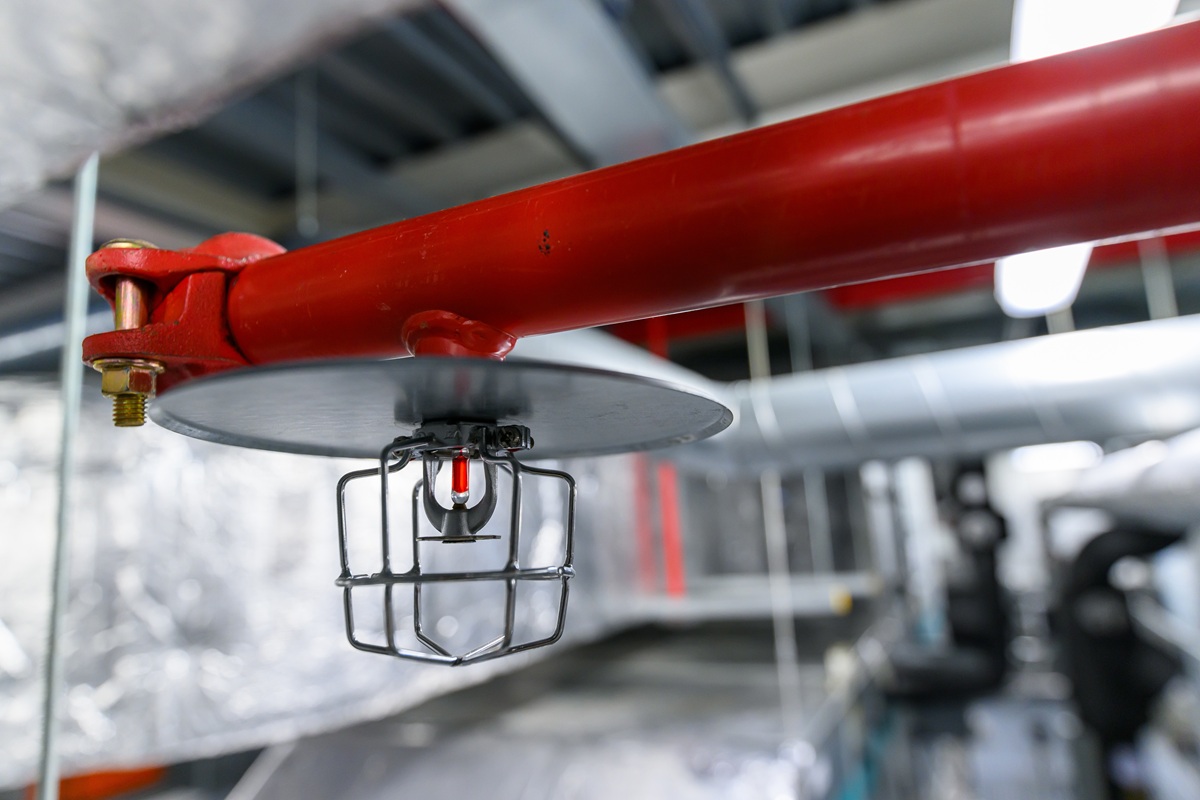
Now, a fire suppression system is a bit different. It’s not something you grab off the wall. Instead, it’s actually built right into the building itself. Once it’s in place, it waits to detect any sign of fire; when it does, it springs into action automatically by pumping water through the fire suppression pipes.
These systems are often integrated into the space’s infrastructure and are especially useful in areas where water can cause more harm than good, such as server rooms, industrial plants, commercial kitchens, or storage warehouses.
What makes suppression tubes particularly valuable in all of this is their compact size and targeted protection. You don’t need a whole-room system, just a fire suppression tube installed inside the risk zone. It activates the moment that zone overheats, and it doesn’t need to involve the entire room or building.
That’s why they’re turning up in enclosed spaces like electrical cabinets, fuse boxes, and machine compartments. They’re built for fast, localised response where traditional tools just wouldn’t reach.
Core Differences Between Fire Extinguishers and Fire Suppression Systems
Here are the main differences between extinguishers and fire suppression pipes:
Application
Both tools have their place; it just depends on what kind of environment we’re talking about. Fire extinguishers are ideal in settings where someone is always present and the fire risk is relatively low or predictable.
They’re affordable, easy to maintain, and versatile enough to handle various fire types as long as someone’s there to use them properly.
Fire suppression systems, including fire suppression tubes, shine in more complex or high-risk environments, particularly where valuable equipment or flammable materials are involved.
Activation
This is probably the biggest and clearest dividing line between the two. Traditional fire extinguishers rely 100% on human intervention. They’re incredibly handy when someone’s nearby, trained, and fast to react. But in the middle of the night, in a locked server room or an unmanned facility, a fire extinguisher won’t lift a finger unless someone’s there to use it.
Fire suppression systems, on the other hand, are always on. They’re built with sensors that pick up on the earliest signs of fire such as heat, smoke, or open flames.
The moment something triggers the system, it activates and releases a specific extinguishing agent without waiting for anyone. In that way, it’s proactive rather than reactive.
Coverage area
Fire extinguishers are only as good as your reach. If you can’t get to the fire, or if it’s too big, you’re out of luck. They’re perfect for small, contained fires, like a bin fire or a spark in the kitchen.
Suppression systems don’t work in spots but across entire zones. A system will flood a room with the agent, and make sure that no part of the fire escapes attention. That’s why you’ll see them protecting full-scale facilities.
This is a key reason fire suppression systems are a must in industries where a single missed flame can escalate into a massive disaster.
Maintenance
Suppression systems are more expensive upfront. They require professional installation, regular testing, and certified servicing. It’s not something you install and forget. But the trade-off is automatic protection that works 24/7, whether anyone’s on-site or not.
Fire extinguishers, on the other hand, are inexpensive, easy to install (or rather, mount), and generally low-maintenance. You can usually count on them with just the basics: check them every so often, make sure they’re full, and that’s about it. They’re affordable, easy to use, and you can grab one and take it where it’s needed without much fuss.
That said, they do have their limits. They won’t kick in on their own if a fire breaks out, and they can only handle so much, both in terms of reach and how long they last once you pull the trigger.
What’s the Best Option for You?
At the end of the day, it’s not about which is better but actually about what fits the environment, the fire risk, and the response needs.
If you’re managing a home, a school, or a small business with a low risk of fire, fire extinguishers are probably all you need. They’re affordable, accessible, and versatile.
If you’re responsible for a facility with high-value equipment, flammable materials, or critical infrastructure, a fire suppression system, especially in the form of tubes for confined spaces, is a far more reliable safety net.
And in many cases, the smartest approach is to use both of them. Extinguishers for hands on response, and fire suppression systems for automatic, round-the-clock coverage. That way, you’re not leaving anything to chance. Besides, fire extinguishers and fire suppression systems aren’t in competition. They’re just built for different situations. One gives you manual control in a pinch, and the other gives you round-the-clock security without lifting a finger.
Also Read: The Role of Fire Suppression Piping in Commercial Safety Systems