
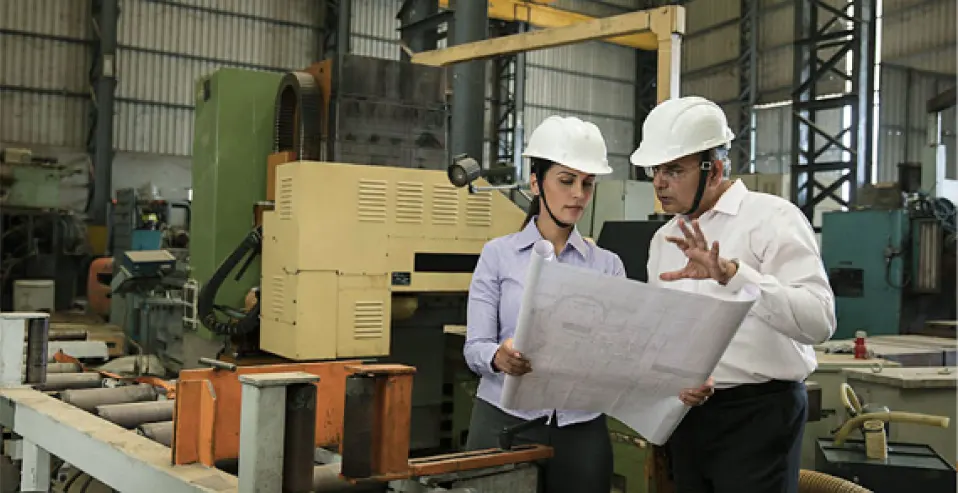
Introduction: Beyond Smoke and Steel
When we hear the word “industry,” images of towering smokestacks, assembly lines, and bustling factories often come to mind. Yet, the modern landscape of industry is far more nuanced and dynamic. It encompasses not only the production of tangible goods but also the integration of digital technologies, environmental stewardship, and global collaboration. Understanding industry today requires a departure from purely mechanical visions to a richer appreciation of its role as a driver of innovation, economic resilience, and societal change.
The Foundations: Industry as an Engine of Progress
Historically, industries have served as the backbone of economic development. The Industrial Revolution transformed agrarian societies into manufacturing powerhouses, setting the stage for rapid urbanization, technological innovation, and a rise in living standards. The core pillars that continue to define industry include:
-
Production and Manufacturing: Creating products that meet human needs and desires
-
Job Creation: Providing employment and economic stability to millions
-
Technological Advancement: Driving research, innovation, and the development of new tools and processes
Yet, while these foundations remain, industry has evolved beyond mere production to become a catalyst for broader social and environmental transformation.
Industrial Transformation: From Mechanization to Digitalization
The most striking evolution in recent decades is the digital transformation of industries. Often described as “Industry 4.0,” this shift blends traditional manufacturing with advanced technologies, including:
-
Automation and Robotics: Streamlining production and reducing human error
-
Artificial Intelligence and Data Analytics: Enabling smarter decision-making and predictive maintenance
-
Internet of Things (IoT): Connecting machines, systems, and products for real-time insights
These innovations have redefined productivity and efficiency, making it possible for industries to produce higher-quality goods with fewer resources and less waste.
Sustainability: An Industrial Imperative
In the past, industry and environmental health often stood in opposition. Today, sustainability has moved from the margins to the mainstream of industrial strategy. Companies are recognizing that long-term competitiveness hinges on responsible stewardship of natural resources. Key sustainable industry practices include:
-
Energy Efficiency: Reducing energy consumption through smarter processes and renewable energy integration
-
Circular Economy Models: Designing products for longevity, repair, and recyclability
-
Waste Reduction: Innovating to turn byproducts into new resources
These measures reflect not only ethical responsibility but also practical advantages, as consumers increasingly favor environmentally conscious brands.
The Human Factor: Skills and Workforce Evolution
While machines and software shape modern industry, human ingenuity remains irreplaceable. The nature of industrial work is changing, shifting away from repetitive manual tasks toward roles that require creativity, problem-solving, and technical expertise. This transformation emphasizes:
-
Continuous Learning: Equipping workers with new digital and technical skills
-
Collaboration: Encouraging interdisciplinary teamwork to solve complex challenges
-
Safety and Wellbeing: Using technology to create healthier, safer work environments
Companies that invest in their people cultivate a workforce that is adaptable, motivated, and capable of driving innovation forward.
Globalization: Interconnected Industries
Modern industry does not operate within the borders of a single nation. Global supply chains, international partnerships, and cross-cultural collaboration have become integral to industrial success. This global perspective brings both opportunities and responsibilities:
-
Access to Diverse Markets: Expanding customer bases and sourcing talent worldwide
-
Shared Standards: Adopting international quality, environmental, and safety benchmarks
-
Ethical Considerations: Ensuring fair labor practices and environmental protections across all regions
Balancing efficiency with ethical responsibility remains one of the defining challenges of global industry today.
Innovation Beyond Products: Processes and Business Models
Industrial innovation is not limited to what companies produce; it also includes how they produce and deliver value. Leading firms are rethinking:
-
Flexible Manufacturing: Using modular systems to customize products efficiently
-
Servitization: Shifting from selling products to offering services, such as equipment leasing or maintenance
-
Digital Twins: Creating virtual replicas of systems to simulate performance and identify improvements
Such innovations enhance competitiveness by making industries more responsive to changing customer needs and market dynamics.
Industry and Society: Mutual Impact
Industries have profound effects on society—shaping cities, influencing education, and contributing to cultural identity. In turn, societal trends push industries to evolve. Consider these dynamics:
-
Urbanization: Driving demand for construction materials, infrastructure, and technologies
-
Demographic Shifts: Prompting industries to design products for aging populations or digitally native generations
-
Consumer Consciousness: Encouraging transparency, ethical sourcing, and sustainability
The relationship between industry and society is symbiotic; each influences the other, often in unexpected ways.
Conclusion: Industry as a Force for the Future
Industry today stands at the intersection of tradition and transformation. While it continues to serve as an economic backbone, it has become far more than a collection of factories and supply chains. It embodies human creativity, technological advancement, and a growing commitment to sustainability and social responsibility.
By recognizing industry’s evolving role, we see it not just as a producer of goods but as a dynamic force shaping the future. Its journey reflects our collective aspirations—to build, innovate, and improve life for generations to come. In embracing this broader vision, modern industry becomes not merely an artifact of economic history, but a living testament to humanity’s capacity for reinvention and progress.
Industrial Safety Best Practices Every Business Needs
March 22, 2026
Comments are closed.
-
The Company Marketing Strategies That You Ought To Know
March 19, 2021 -

-
Club Gambling As An Extension To Everyday Life!
January 22, 2020
Latest Posts
-

Common Mistakes to Avoid When Setting Up a Business in Dubai
August 20, 2026 -

-

5 Best Tools for Designing Your Next Book Cover
July 24, 2026 -

How to Build a High-Performing Production Team
June 6, 2026 -

Recent Posts
- Common Mistakes to Avoid When Setting Up a Business in Dubai August 20, 2026
- Controlio Review: Time Tracking That Runs on Real Activity July 28, 2026
- 5 Best Tools for Designing Your Next Book Cover July 24, 2026
- How to Build a High-Performing Production Team June 6, 2026
- Marketing Strategies for Competitive and Saturated Markets May 18, 2026
Categories
- Business (147)
- Companies (8)
- Industry (11)
- Management (13)
- Marketing (33)
- News (50)
- Productions (9)
- Services (7)