
Crafting Value: The Modern Landscape and Artistry of Productions

Introduction: Beyond Assembly Lines
When one thinks of “productions,” images of vast factories, humming machinery, and orderly assembly lines might come to mind. Yet in reality, production today is a rich and multifaceted discipline—spanning handcrafted luxury goods to automated high-volume manufacturing, digital media, and creative arts. It is both a process and a philosophy, an economic driver and an artistic endeavor. To understand the world of modern productions is to explore the intricate dance between creativity, precision, technology, and human ingenuity that transforms ideas into tangible value.
The Core Essence: What Production Truly Means
At its heart, production is about transforming resources into outputs that hold value for others. This process goes far beyond simple manufacturing; it encompasses planning, design, quality control, logistics, and innovation. Key characteristics of effective productions include:
-
Efficiency: Optimizing resources to minimize waste and maximize output
-
Quality: Ensuring each product meets or exceeds expectations
-
Consistency: Delivering reliable outcomes that build trust among consumers
Yet the modern production landscape reveals that true success also depends on adaptability, creativity, and a commitment to sustainability.
From Mass Production to Customization: The Shift in Approach
Historically, the hallmark of industrial progress was mass production—making standardized goods quickly and affordably. While still critical in sectors like automotive and electronics, recent decades have seen a shift toward greater flexibility and personalization. Modern production systems now often incorporate:
-
Flexible Manufacturing Systems (FMS): Allowing rapid adjustments to product designs or volumes
-
Small Batch and Custom Production: Catering to niche markets and individual preferences
-
Digital Twins and Prototyping: Using virtual models to test and refine before physical production begins
These approaches reflect changing consumer demands for products that feel personal, unique, and aligned with individual lifestyles.
Technology as a Driving Force
Technology has revolutionized every aspect of productions, from design to delivery. Essential innovations shaping today’s landscape include:
-
Automation and Robotics: Enhancing speed, precision, and safety while reducing repetitive human labor
-
Artificial Intelligence (AI): Analyzing data to improve forecasting, maintenance, and product quality
-
3D Printing (Additive Manufacturing): Enabling rapid prototyping and even direct production of complex components
By harnessing these tools, producers can not only reduce costs but also push the boundaries of what can be created.
Sustainability in Productions: A Moral and Strategic Imperative
No discussion of modern productions would be complete without acknowledging the rising importance of sustainability. As society grows more conscious of environmental and ethical considerations, productions must evolve accordingly. Leading practices include:
-
Circular Economy Models: Designing products for reuse, recycling, or remanufacturing rather than disposal
-
Energy Efficiency: Reducing carbon footprints through cleaner energy and smarter operations
-
Responsible Sourcing: Choosing materials and suppliers that align with ethical and environmental standards
Sustainable production is not merely a trend; it is rapidly becoming essential for brand reputation and long-term viability.
Human Craftsmanship and Creativity: The Timeless Element
While machines and algorithms have redefined scale and speed, human artistry remains irreplaceable in many fields. Luxury goods, artisanal foods, fine furniture, and digital media productions all thrive on human creativity. Hallmarks of this enduring value include:
-
Attention to Detail: Subtle touches that distinguish the ordinary from the exceptional
-
Narrative and Meaning: Products that tell stories or reflect cultural heritage
-
Emotional Connection: Creating items that resonate with personal identity and memory
In these contexts, production becomes a form of expression as much as an economic activity.
Quality Control and Continuous Improvement
Productions thrive on a commitment to excellence and refinement. Key strategies for maintaining and enhancing quality include:
-
Lean Manufacturing Principles: Identifying and eliminating wasteful processes
-
Total Quality Management (TQM): Integrating quality responsibility across every role and stage
-
Feedback Loops: Using real-time data and customer insights to guide adjustments
This dedication to continuous improvement ensures products not only meet but often exceed evolving expectations.
Globalization and the Supply Chain Web
Productions today rarely occur in isolation. Materials, components, and expertise often span continents, forming complex supply chains. This interconnectedness brings both advantages and challenges:
-
Access to Specialized Resources: Leveraging unique skills and materials worldwide
-
Cost Efficiency: Sourcing and production optimization across regions
-
Risk Management: Navigating geopolitical shifts, natural disasters, and logistical disruptions
Smart producers balance global reach with resilience and ethical responsibility.
The Role of Data and Digital Transformation
Data-driven productions enable smarter decisions at every step. Applications include:
-
Predictive Maintenance: Anticipating equipment issues before downtime occurs
-
Demand Forecasting: Adjusting production plans based on real-time market trends
-
Supply Chain Visibility: Tracking components from origin to finished product for accountability and efficiency
Digital transformation enhances agility, allowing producers to adapt rapidly to market shifts.
Conclusion: Productions as a Living Discipline
Modern productions are far more than systems of output; they are dynamic expressions of human and technological collaboration. By blending efficiency with creativity, tradition with innovation, and scale with personalization, producers craft more than products—they craft experiences and meaning.
In the grand narrative of progress, productions remain one of humanity’s most profound achievements: the artful orchestration of materials, minds, and machines into something greater than the sum of its parts. It is in this synthesis that the true beauty and promise of production resides—a promise not just to make, but to create, enrich, and inspire.

How to Build a High-Performing Production Team
June 6, 2026
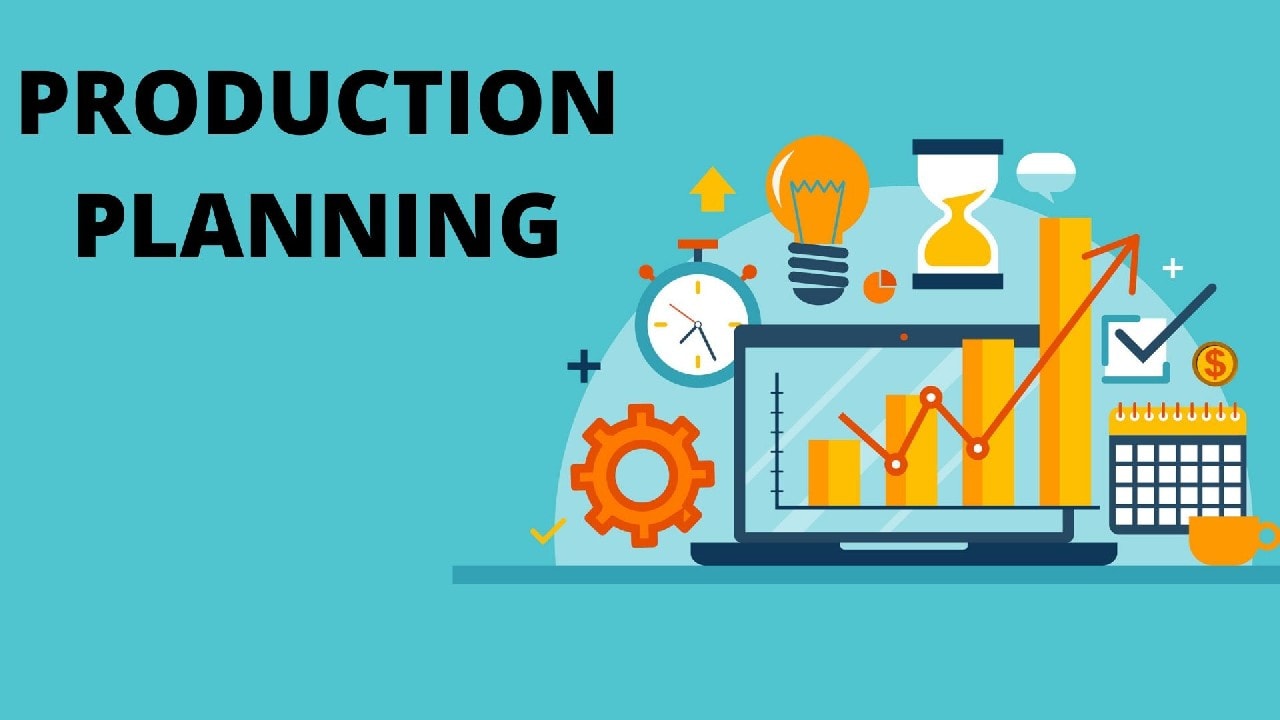
Kinds of Production Planning
July 24, 2021
Comments are closed.
-
-

Various kinds of Direct Marketing Lists
June 2, 2021 -

Should You Get A Business Loan to Boost Your Cash Flow?
April 24, 2021
Latest Posts
-

Common Mistakes to Avoid When Setting Up a Business in Dubai
August 20, 2026 -

-

5 Best Tools for Designing Your Next Book Cover
July 24, 2026 -

How to Build a High-Performing Production Team
June 6, 2026 -

Recent Posts
- Common Mistakes to Avoid When Setting Up a Business in Dubai August 20, 2026
- Controlio Review: Time Tracking That Runs on Real Activity July 28, 2026
- 5 Best Tools for Designing Your Next Book Cover July 24, 2026
- How to Build a High-Performing Production Team June 6, 2026
- Marketing Strategies for Competitive and Saturated Markets May 18, 2026
Categories
- Business (147)
- Companies (8)
- Industry (11)
- Management (13)
- Marketing (33)
- News (50)
- Productions (9)
- Services (7)